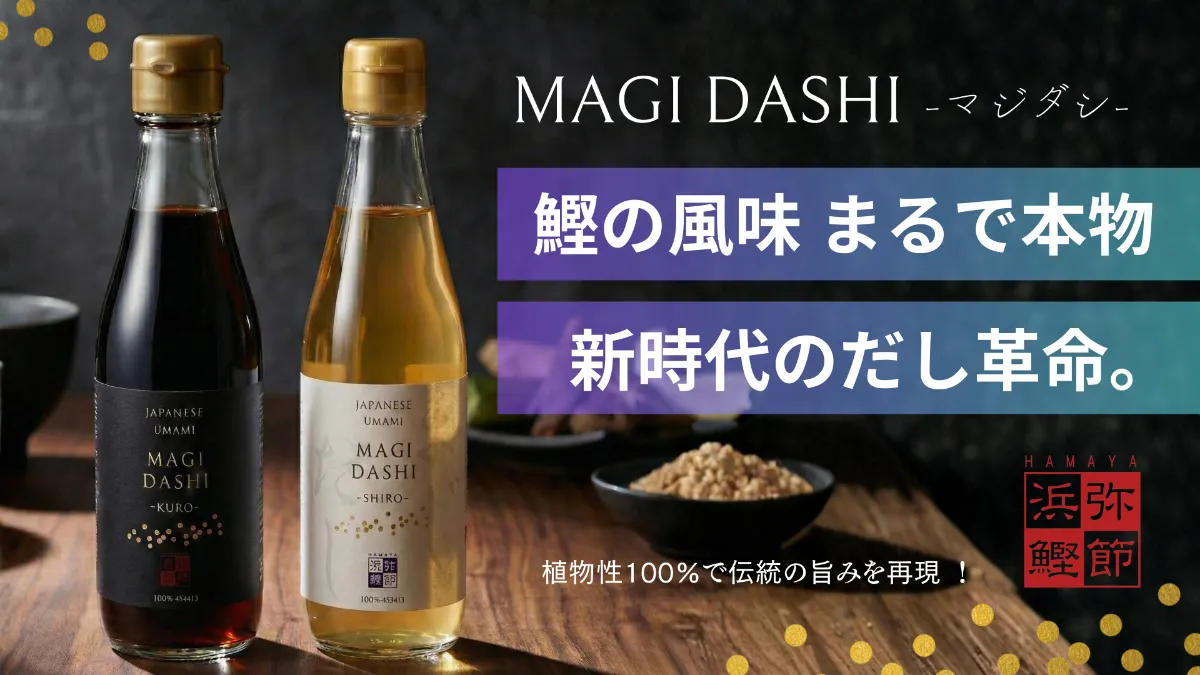
MAGI DASHI
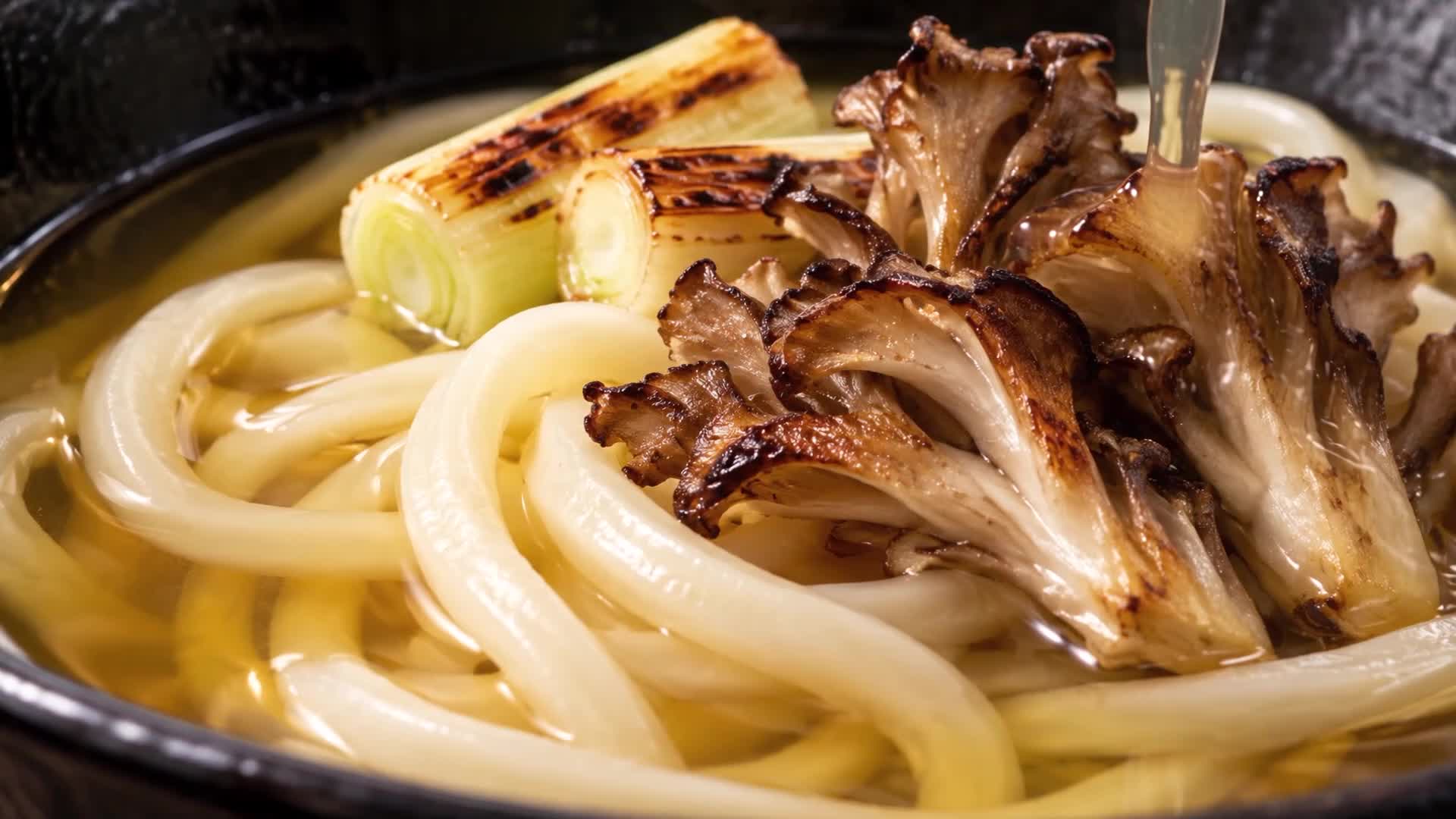
Serving suggestion: dashi poured over grilled maitake and udon
01 / THE BEGINNING

ONE DROP.
ONE TABLE.

02 / FLAVOR

Flavor beyond
boundaries.

A dashi chosen for its flavor, not just for being plant-based.

For the love of flavor.

SCROLL TO EXPLORE
03 / TOGETHER

MAGI DASHI makesONE TABLE.

One table, everyone welcome.
Good food brings us together.

Different shapes. One table.

04 / THE PRODUCTS

Choose your flavor.
Find your dashi.

Umami that lets your ingredients shine.Bonito-style aroma and umami, made from plants.
For familiar dishes and new menu ideas.MAGI DASHI is a concentrated dashi seasoning.

01 / MAGI DASHI

KURO

Soy sauce richness.
A foundation for flavor.

Plant-based tsuyu with soy sauce, bringing together bonito-style aroma and umami. Start with noodle broths, simmered dishes and other recipes built around dashi and soy sauce.

Versatile tsuyuBonito-style flavorCompare specifications
02 / MAGI DASHI

SHIRO

Layer in umami.
Let ingredients shine.

Bonito-style aroma and umami from plant-based ingredients, made without soy sauce. Explore SHIRO in soups, simmered vegetables, curry and risotto.

Shiro dashiBonito-style flavorCompare specifications
COMPARE / KURO & SHIRO

Choose for your dish.
Check the details.

Both are plant-based. Soy sauce and product-specific specifications make the difference.

Versatile Tsuyu · Bonito-style flavor

KURO

Noodle broth · Simmered dishes · Tempura sauce

Soy sauce
Used
Gluten-free
No
Contains
Wheat & soy
Foodservice size
1.8L
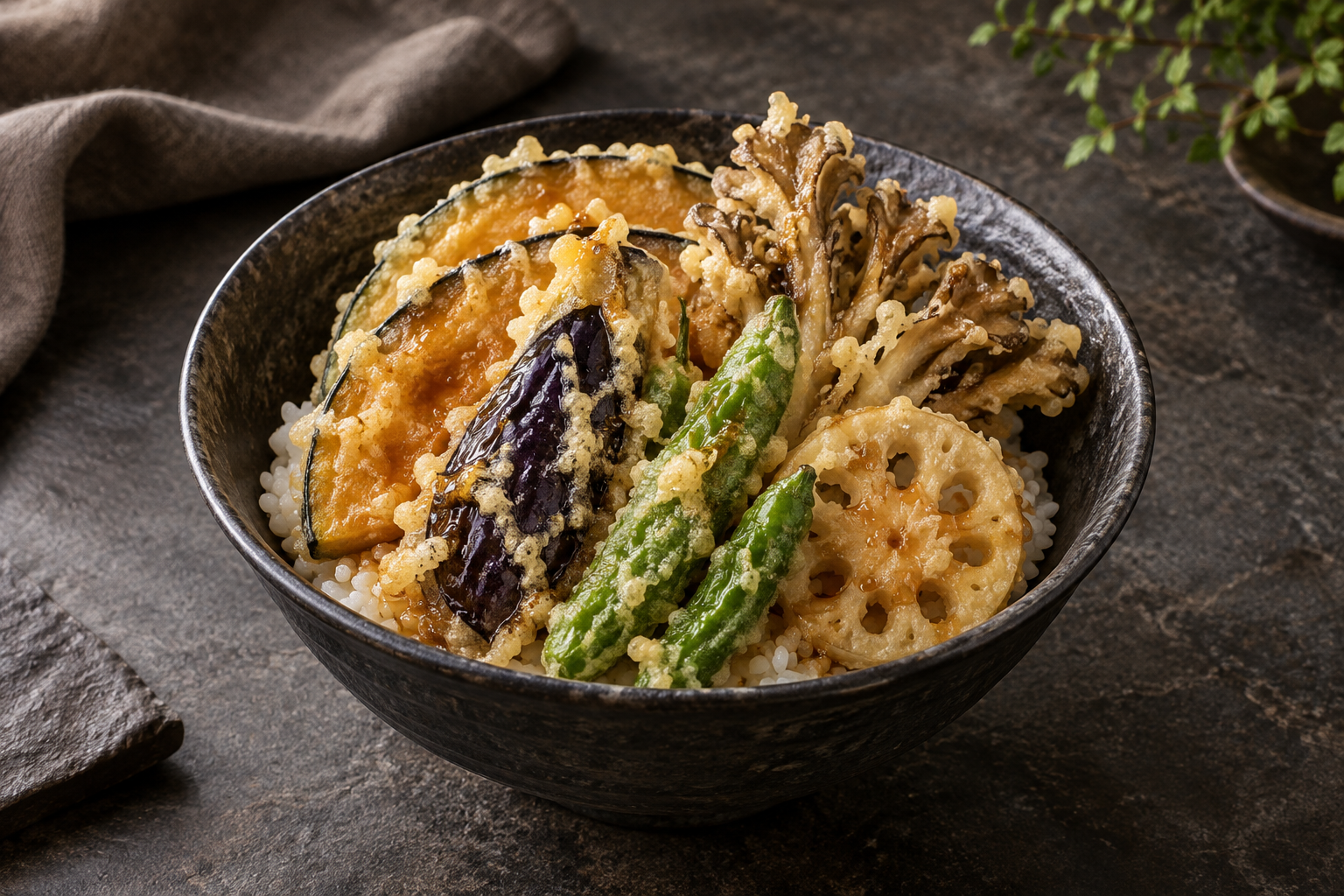
Try a tempura bowl
Shiro Dashi · Bonito-style flavor

SHIRO

Soup · Simmered vegetables · Curry

Soy sauce
Not used
Gluten-free
Yes
Contains
Soy
Foodservice size
1.8L
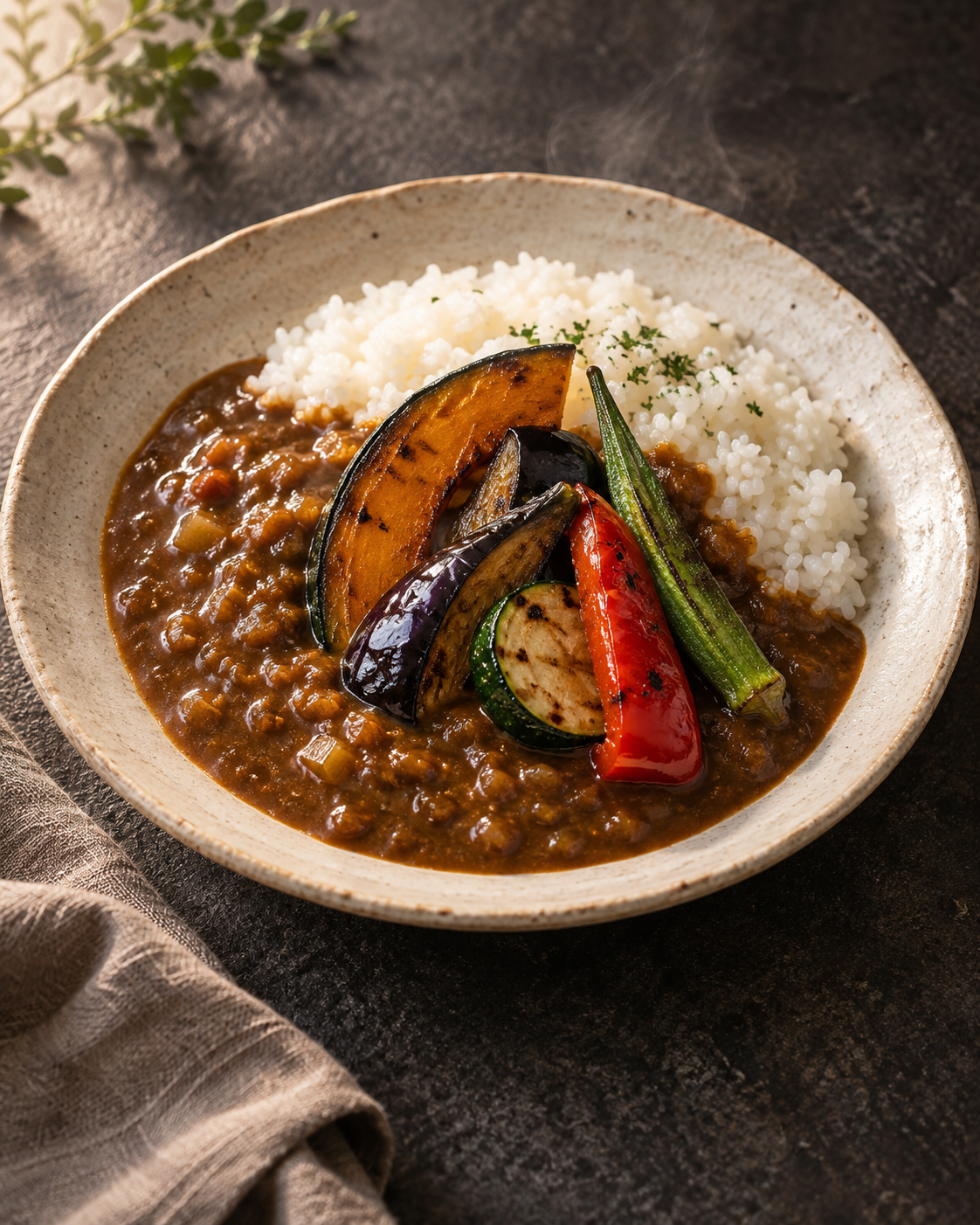
Try curry
BOTH KURO & SHIRO

No animal-derived ingredientsCertified vegan

Certifying body: VegeProject Japan

SHIRO is made without soy sauce but contains soy. Check the label and current specification sheet for full ingredients. Consider all other ingredients and preparation conditions when serving a dish.

Discuss your requirements
05 / POSSIBILITIES

UMAMI
INNOVATION.

Flavor opens up possibilities.
From everyday cooking to new food development.
Three starting points for your kitchen.

Udon with grilled maitake & leek
01 / FLAVOR FIRST

Chosen for flavor.
Discover your dashi.

Try it in a familiar noodle broth or soup. Discover how its bonito-style aroma and umami work with the ingredients. Let flavor be your reason to choose plant-based.

Explore udon
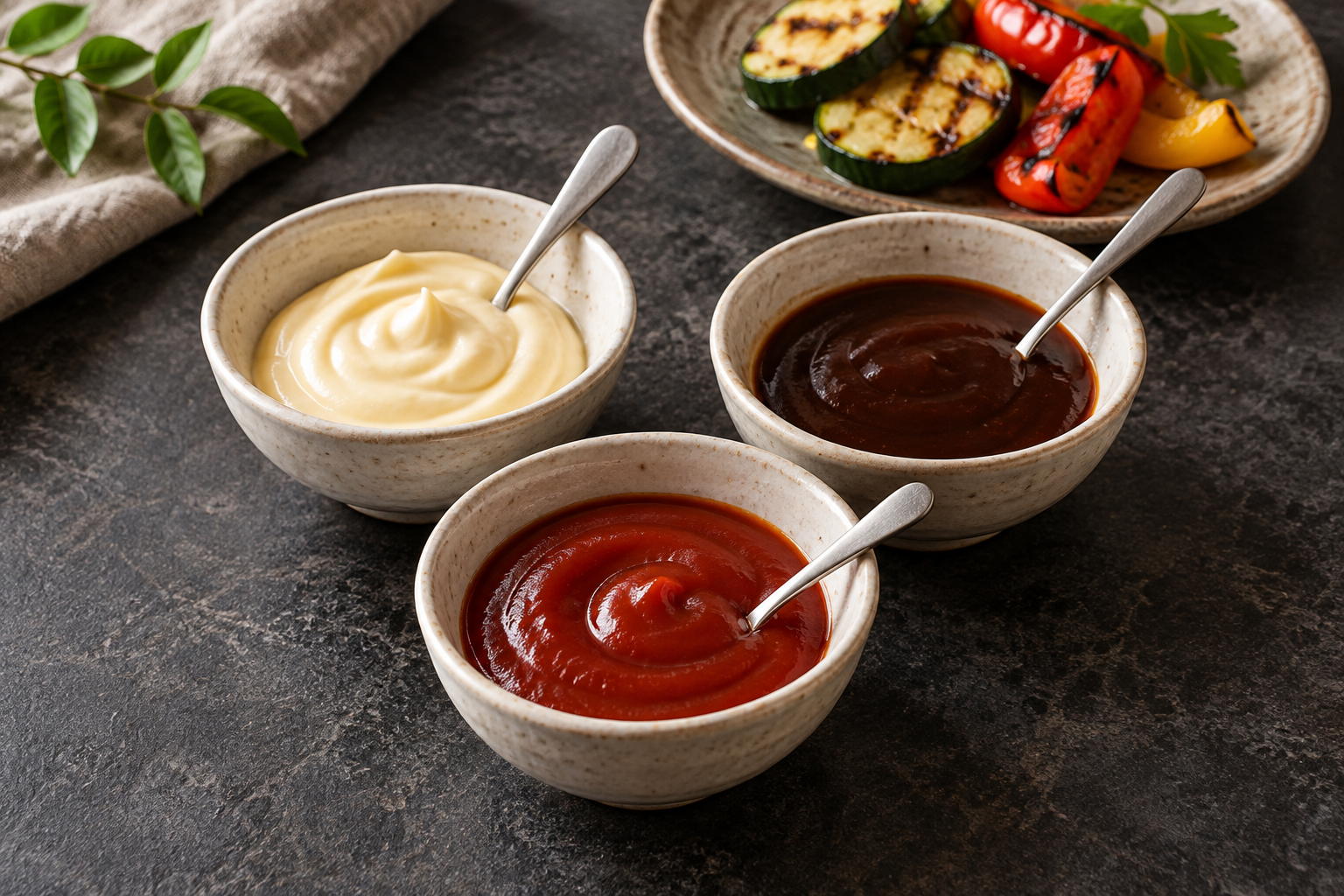
Small bowls of mayonnaise, sauce and ketchup
02 / ONE BASE, MANY DISHES

One dashi base.
More ways to cook.

Dilute it for broth or add a little to a sauce. Explore a shared dashi base for everyday dishes and plant-based menus. Adjust the strength and seasoning for each recipe, checking the other ingredients and your guests’ dietary needs.

Explore condiment pairings
Close-up of plant-based patties searing on a flat-top griddle
03 / PLANT-BASED POSSIBILITIES

Plant-based ingredients.
Built on umami.

Explore savory depth in plant-based patties, soups and sauces. Build on the ingredients’ own flavors as you work toward a balanced dish. Test small batches at different addition levels, then evaluate aroma, taste and texture after cooking.

Explore patty development

Discover ingredients, ratios and practical points for kitchen trials.View all recipes & applications ↗

EXPLORE / MAGI DASHI

From a drop to your next idea.

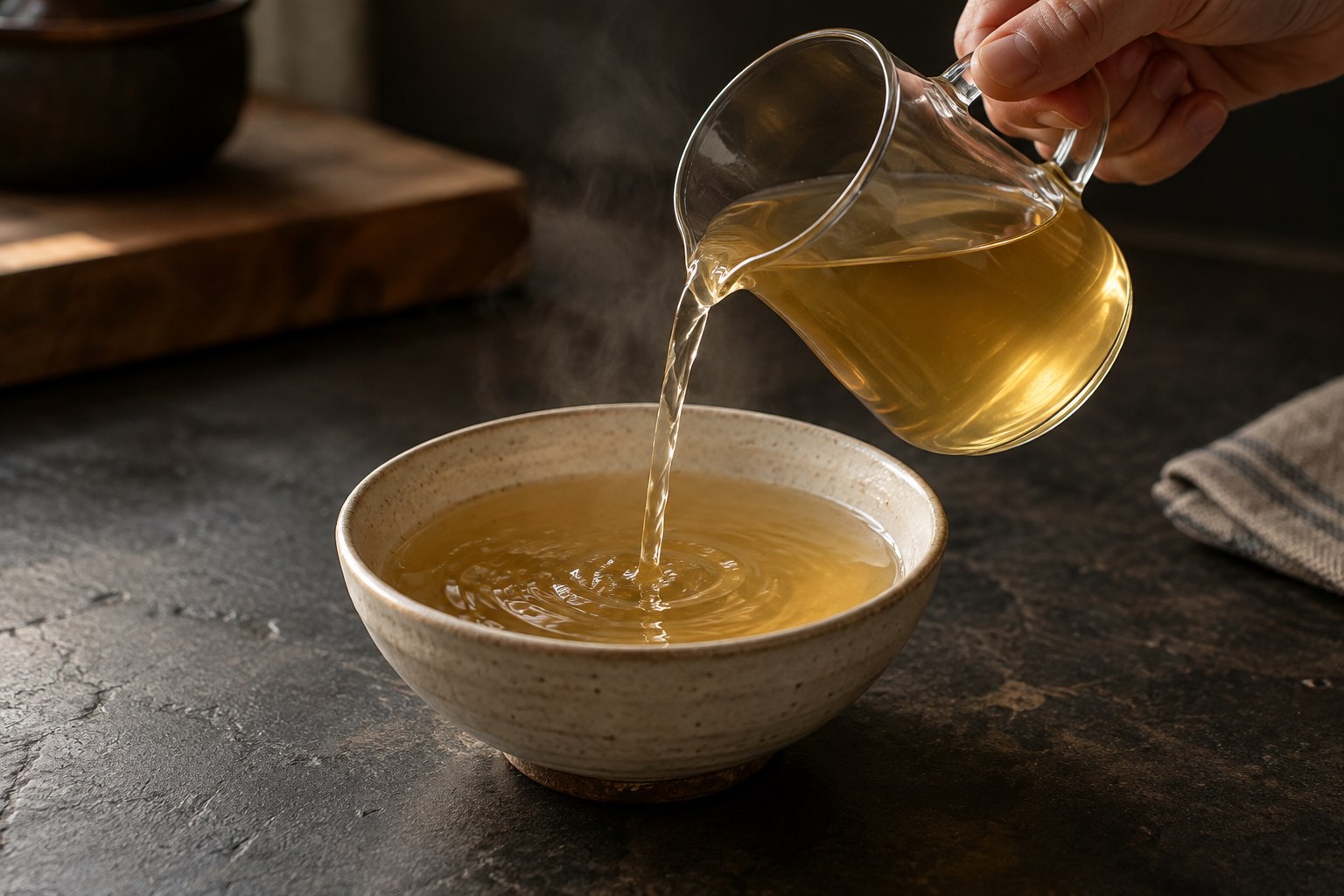
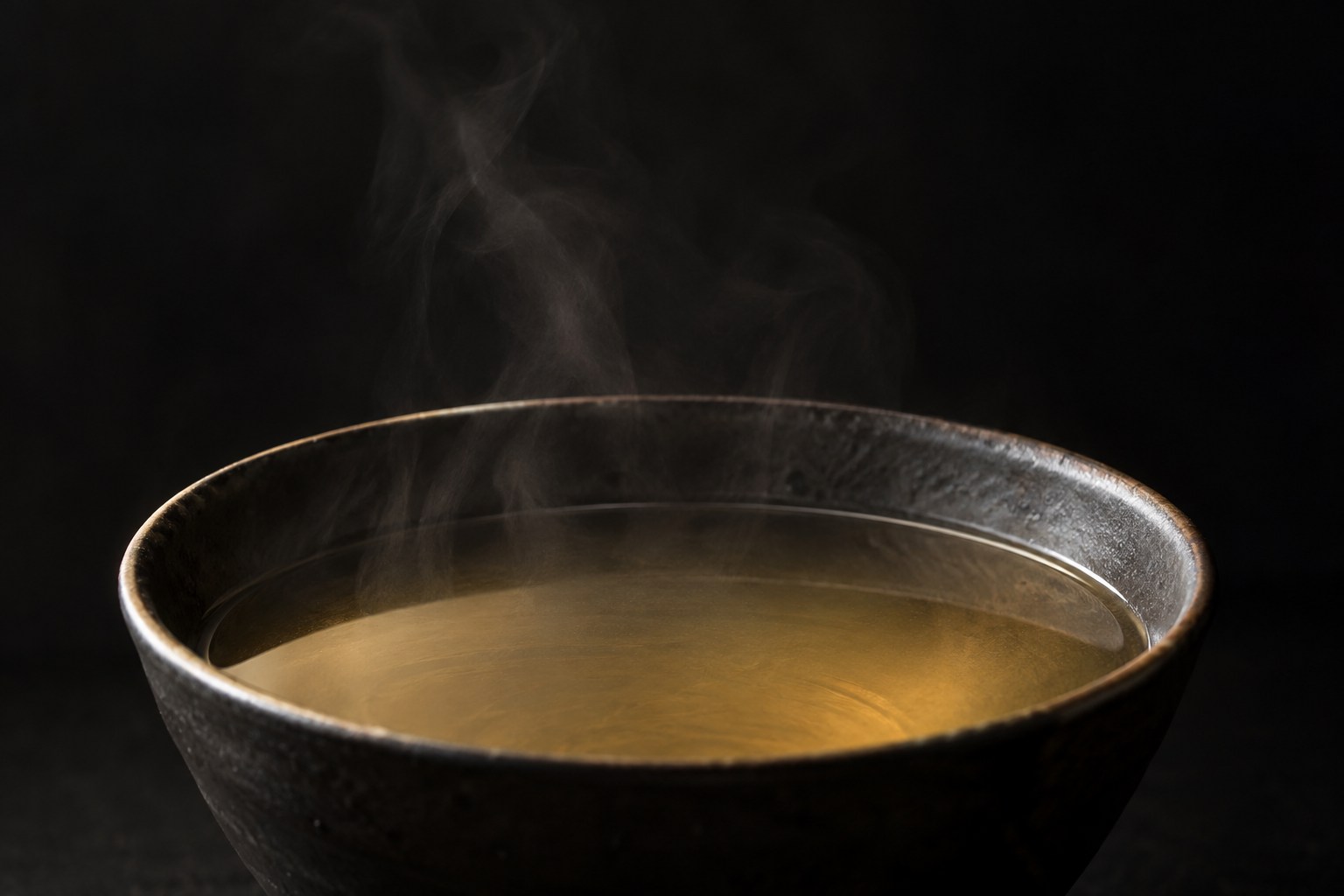
Golden dashi being poured into a ceramic bowl
01 / DASHI GUIDE

Dashi basics
& use

Understand dashi, choose your dilution and work out kitchen costs.

Explore the dashi guide
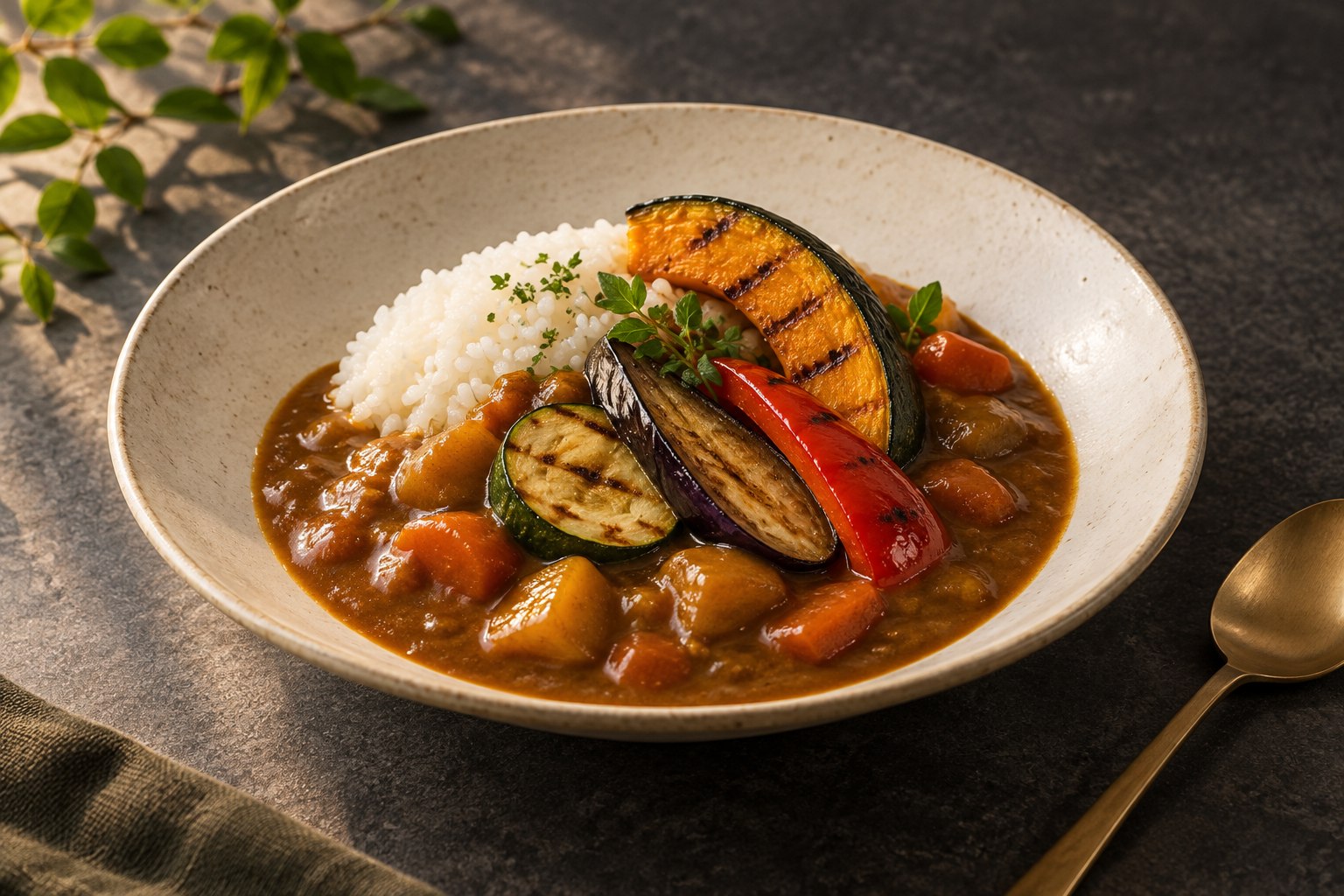
Vegetable curry with rice and grilled vegetables
02 / RECIPES & IDEAS

Recipes
& menu ideas

Explore recipes, seasoning ideas and starting points for menu development.

Browse recipes & ideas
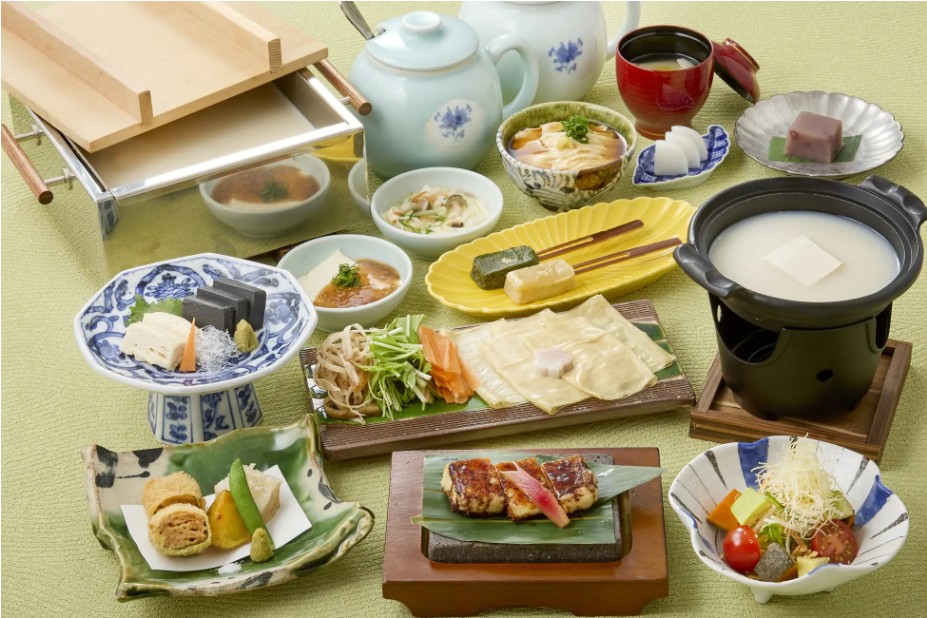
Plant-based dishes at Umenohana
Image courtesy of Umenohana Co., Ltd.
03 / RESTAURANT STORIES

Dashi in
restaurants

Meet restaurants using MAGI DASHI and explore dishes from our published stories.

Explore restaurant stories
06 / OUR ORIGINHAMAYA · OSAKA, TSURUHASHI

Generations of knowledge. A new drop of possibility.

Why a bonito specialist makes dashi without bonito.

Another choice for dashi.Our knowledge of aroma and umami comes from years of working with bonito.
We bring that expertise to plant-based dashi, opening up new possibilities for the table.

EXPERIENCE × RESEARCH
Tadashi Kimura, President of Hamaya

Good food is better shared.

President, HamayaTadashi Kimura

Read Tadashi Kimura’s message Explore Hamaya’s journey
Hamaya craftsmanship: a hand holding bonito flakes

Founded

1947

Dedicated to dashi.

Hamaya was founded in Tsuruhashi, Osaka. Its work spans bonito flake production and sales, dashi products, and recipe development.

Steam gently rising from golden dashi

Research began

2021

Exploring aroma.

Joint research began with 香味醗酵, an Osaka University spin-off, bringing Hamaya’s sensory knowledge together with aroma research.

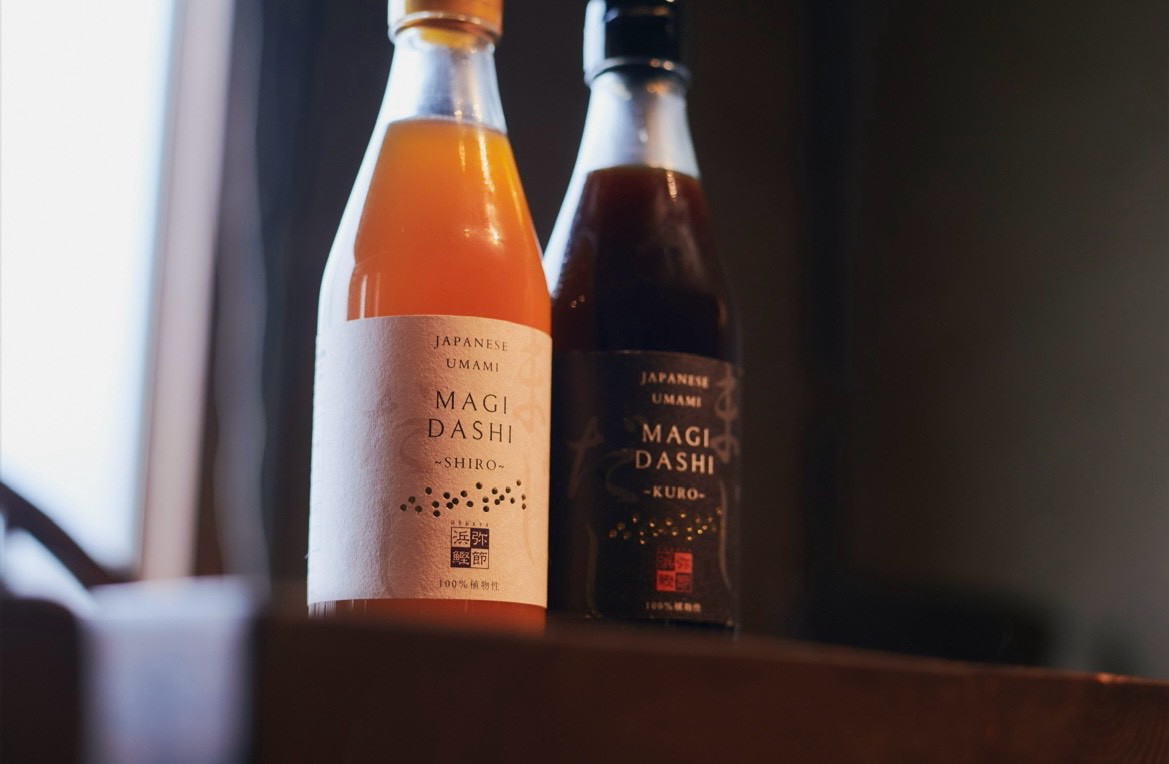
MAGI DASHI SHIRO and KURO beside a window

Journey to MAGI DASHI

Approx.5years

Developing a drop.

The journey to MAGI DASHI spanned approximately five years. Reimagining dashi with plant-based ingredients to carry dashi culture forward.

More possibilities for flavor.
One shared table.

Explore both products
07 / IN YOUR KITCHEN

Dilute. Combine.
Make it your own.

Adjust the strength to suit the dish.
Start with these two preparations.

Sauce for a vegetable tempura bowl
KURO / 3-FOLD DILUTION

Sauce for a vegetable tempura bowl

KURO1Hot water2

50 ml KURO + 100 ml hot water = 150 ml sauce

Ingredients & method ↗

These examples describe the prepared sauce or dashi, not the amount to pour over one bowl or the final curry yield. For other dishes, follow the product label and adjust to your recipe.

When changing your usual stock

MAGI DASHI contains salt. Set the dashi strength first, then adjust salt, soy sauce and other seasonings.

Explore the basics ↗
FOR CHEFS & FOOD DEVELOPERS

Put Japanese umami
to work.

A different way to prepare your everyday dashi. A new direction for your next product. Explore the value in the kitchen, as well as the cost per serving.

From Hamaya, bonito specialists since 1947.
01 / JAPANESE KITCHENS

Restaurants · Hotels · Multi-site kitchens

Udon broth with grilled maitake and leek

Rethink the work
behind every bowl.

Start with a liquid concentrate: measure, dilute and season. Compare this workflow with preparing your current dashi from bonito and kombu in your local kitchen.

A simpler starting point
Move from extracting and straining stock to measuring and diluting. Compare the hands-on work your recipe needs.
A recipe your team can repeat
Set a reference for dilution and seasoning, then check the same flavor across shifts, batches and locations.
The real cost of each bowl
Include local ingredients, preparation time, utilities and waste. Compare the same serving size and flavor target.
Plan a kitchen trial
02 / BEYOND JAPANESE FOOD

Plant-based patties · Soups · Sauces

Close-up of plant-based patties searing on a flat-top griddle

Build savory depth
into your next product.

Explore MAGI DASHI as an umami ingredient in your own recipe. Start with a small addition, then develop the aroma, savory depth and balance you want.

A new flavor direction
Build trials around your ingredients. Compare the cooked result with your existing recipe.
Find the right addition level
Test different amounts for aroma, salt balance and texture. Choose the level that works in the finished dish.
Value per finished serving
Measure the cost of the concentrate added, then weigh it against the change in the finished product.
Discuss a product trial
THE NUMBERS BEHIND YOUR TRIALHow to compare cost per serving

Use your actual delivered price in your own currency, including applicable freight and import costs. Keep the comparison at the same serving size.

When replacing a prepared dashi

KURO example: 1.8 L × 10-fold dilution = 18 L

1 part concentrate + 9 parts water. This yield applies to this dilution, not every dish.

Delivered bottle cost ÷ 18
= product cost per prepared liter

Multiply by liters of dashi per serving. Add other ingredients, preparation labor, utilities and waste to compare the complete workflow.

When adding umami to a recipe

Delivered bottle cost ÷ bottle volume in ml
× ml of concentrate per serving

This gives the MAGI DASHI addition cost. Use the amount established in your trial; broth dilution ratios do not set a formulation dose.

Actual cost, time and flavor results depend on the recipe and operating conditions.
Start with a recipe. Build a useful comparison.

Tell us your country, application and current preparation method. We can discuss product specifications, local supply conditions and a starting point for your trial.

Discuss your market & application
08 / JOURNAL

News

MAGI DASHI JOURNAL

Dates refer to publication. Articles reflect information at that time.

09 / QUESTIONS & ANSWERS

Before your
first drop.

From choosing a product to using it in your kitchen.

Ask another question ↗

Products & ingredients

01

Does it contain bonito or fish?

KURO and SHIRO are plant-based dashi seasonings made without animal-derived ingredients. “Bonito-style” describes the flavor. Both products are vegan-certified by VegeProject Japan.

02

How do I choose between KURO and SHIRO?

KURO is a versatile tsuyu with soy sauce; SHIRO is a shiro dashi made without soy sauce. Start with KURO for noodle broth or simmered dishes, and SHIRO for soups or simmered vegetables. Our application pages also cover curry and sauces.

Compare the products
03

Where can I check ingredients and allergens?

The main publicly listed ingredients are soy sauce, starch syrup, sugar and flavor seasoning for KURO; starch syrup, kombu dashi, salt and flavor seasoning for SHIRO. KURO contains wheat and soy; SHIRO contains soy. Made without soy sauce does not mean soy-free. Check the product label and current specification sheet for the complete ingredients and latest allergen information.

Discuss specifications
04

Which product is gluten-free?

SHIRO is gluten-free. KURO contains wheat and is not gluten-free. For a finished dish, check all other ingredients, seasonings and preparation conditions too.

Use & storage

05

How much water should I add?

The general guide is KURO at tenfold dilution (1 part concentrate + 9 parts water) and SHIRO at 15–20-fold (1 part concentrate + 14–19 parts water). The fold number is the total prepared volume divided by the concentrate volume. Strength varies by dish: our tempura sauce uses KURO 1 + hot water 2; our curry base uses SHIRO 1 + water 9. Check the product label and adjust to your recipe.

See dish-specific ratios
06

Can I replace my usual stock directly?

MAGI DASHI is a concentrated seasoning that contains salt. Do not substitute it undiluted for an equal volume of unsalted stock. Adjust dilution and the other seasonings together. Start with a small trial in a familiar dish.

07

How should I store it, and what is its shelf life?

Follow the storage instructions and best-before date on the product label. For questions about handling after opening or foodservice storage, contact us with the product name and size.

Samples & purchasing

08

Can I request a sample?

Samples are intended for business customers. Tell us the dish or product you are developing and your specification requirements. Shipping and supply conditions are confirmed individually.

Discuss samples
09

How can I get pricing and purchase information?

Contact Hamaya with your preferred product, size, intended use and destination. Overseas pricing and supply terms are confirmed individually; cost examples are not local price quotes. A 100 ml size is also available for home trials.

Information for home cooks
10 / LET’S MAKE ONE TABLE

Your next possibility.
One drop away.

Samples, menu development or international projects.
Tell us what you have in mind.

Send your questions about samples and products to Hamaya.

CONTACT / PREVIEW

Review your inquiry

Send your questions about samples and products to Hamaya.