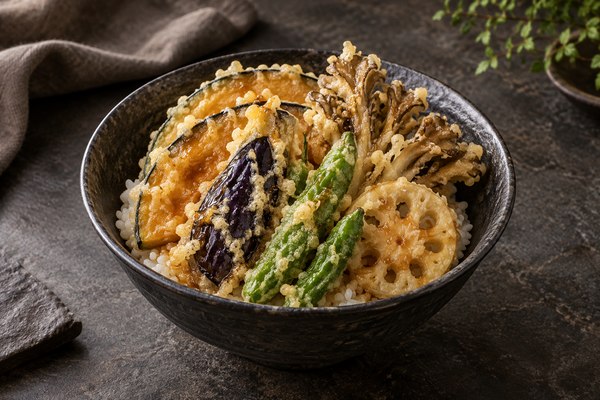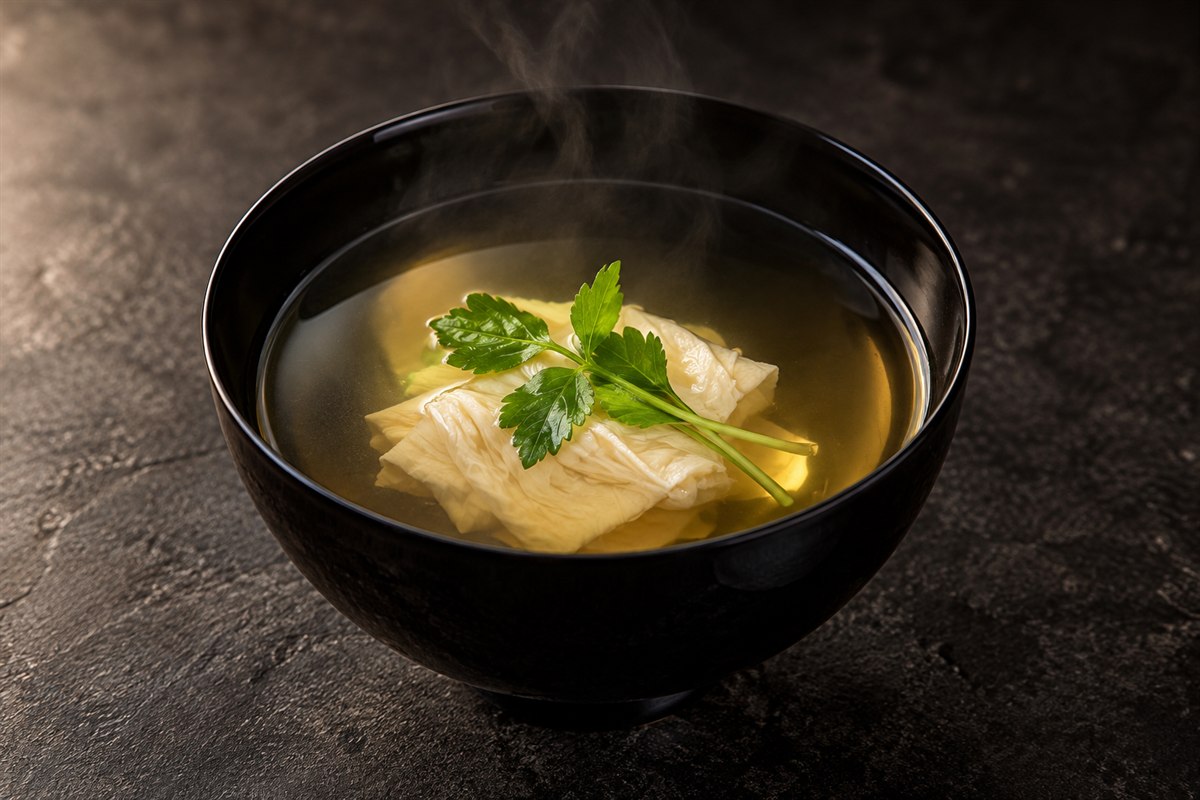
Dilute for a broth
Mix with water for noodle broth or soup. Adjust the strength to suit the recipe and its other seasonings.

A little dashi. More possibilities.
Dilution, cooking applications and cost per serving.
Explore the guideServe it as broth, let ingredients absorb it, or add a little to a sauce. Start with the dish you want to make.
Mix with water for noodle broth or soup. Adjust the strength to suit the recipe and its other seasonings.
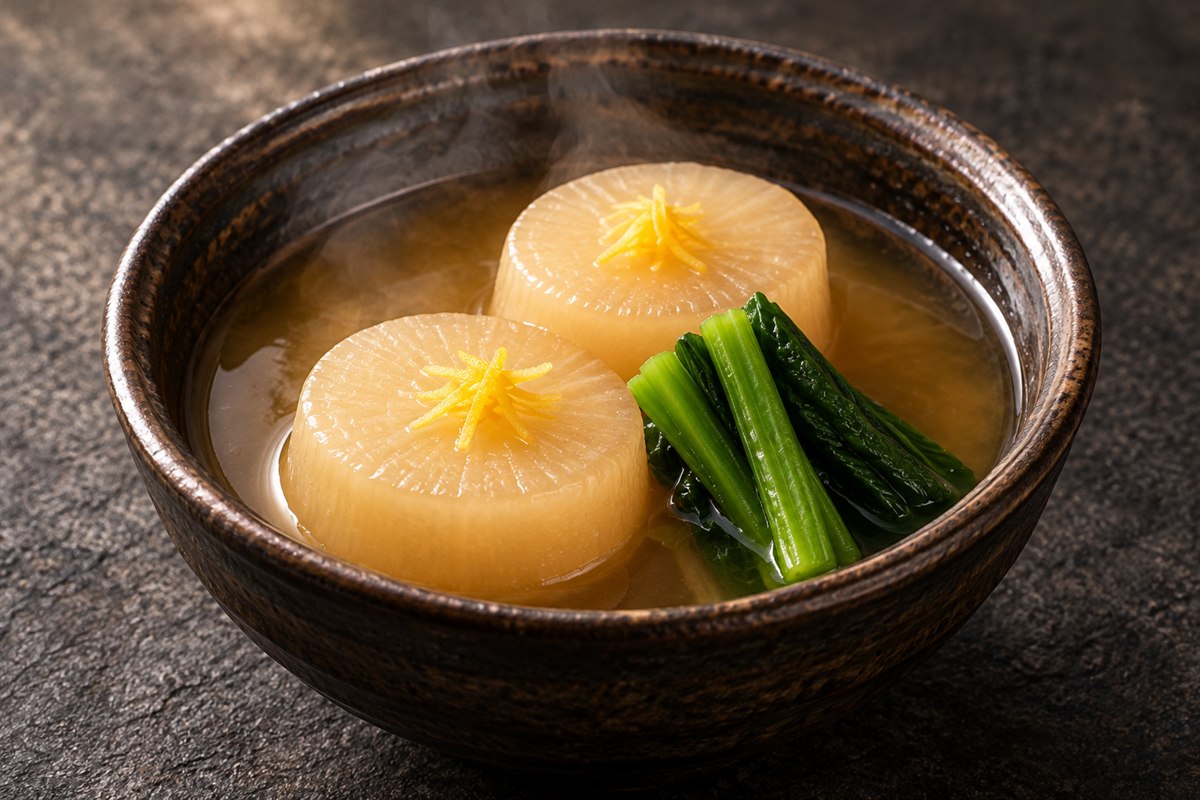
Explore simmered dishes and seasoned rice. Account for moisture from the ingredients and evaporation as you cook.
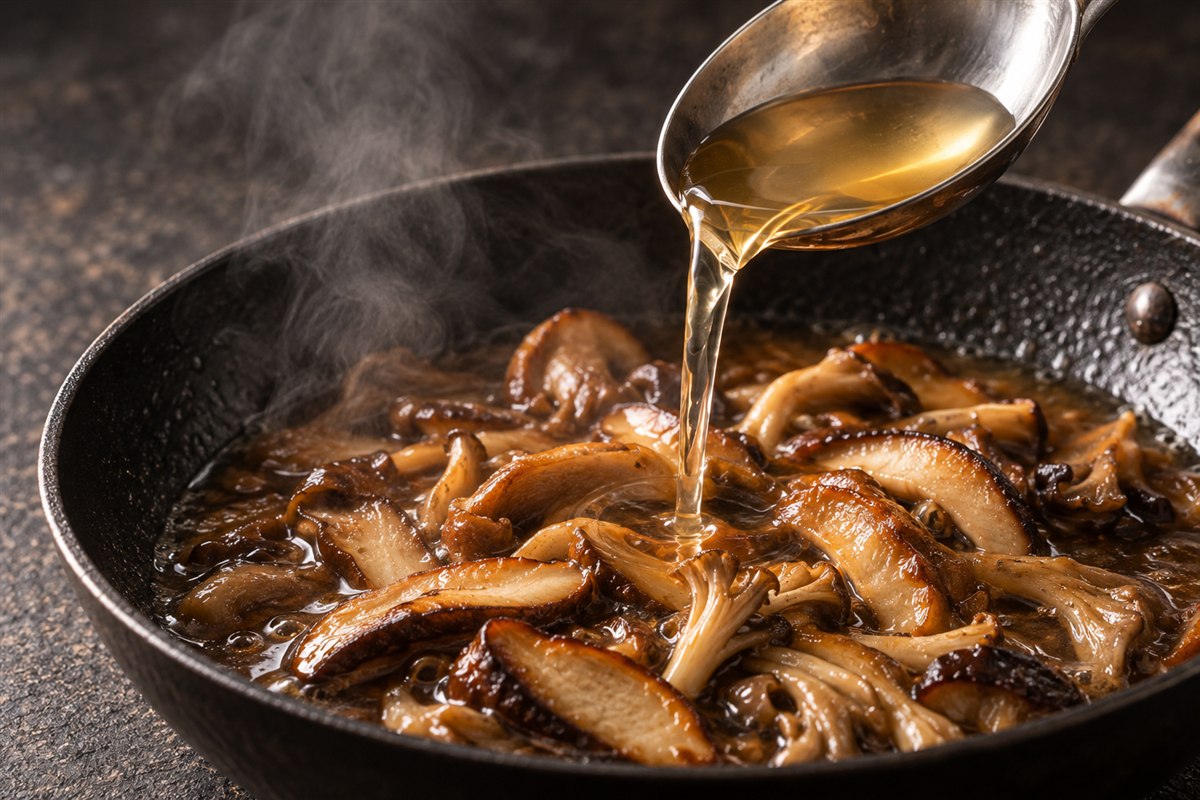
For sauces, dressings and plant-based foods, start with small additions and evaluate savory flavor and salt balance.
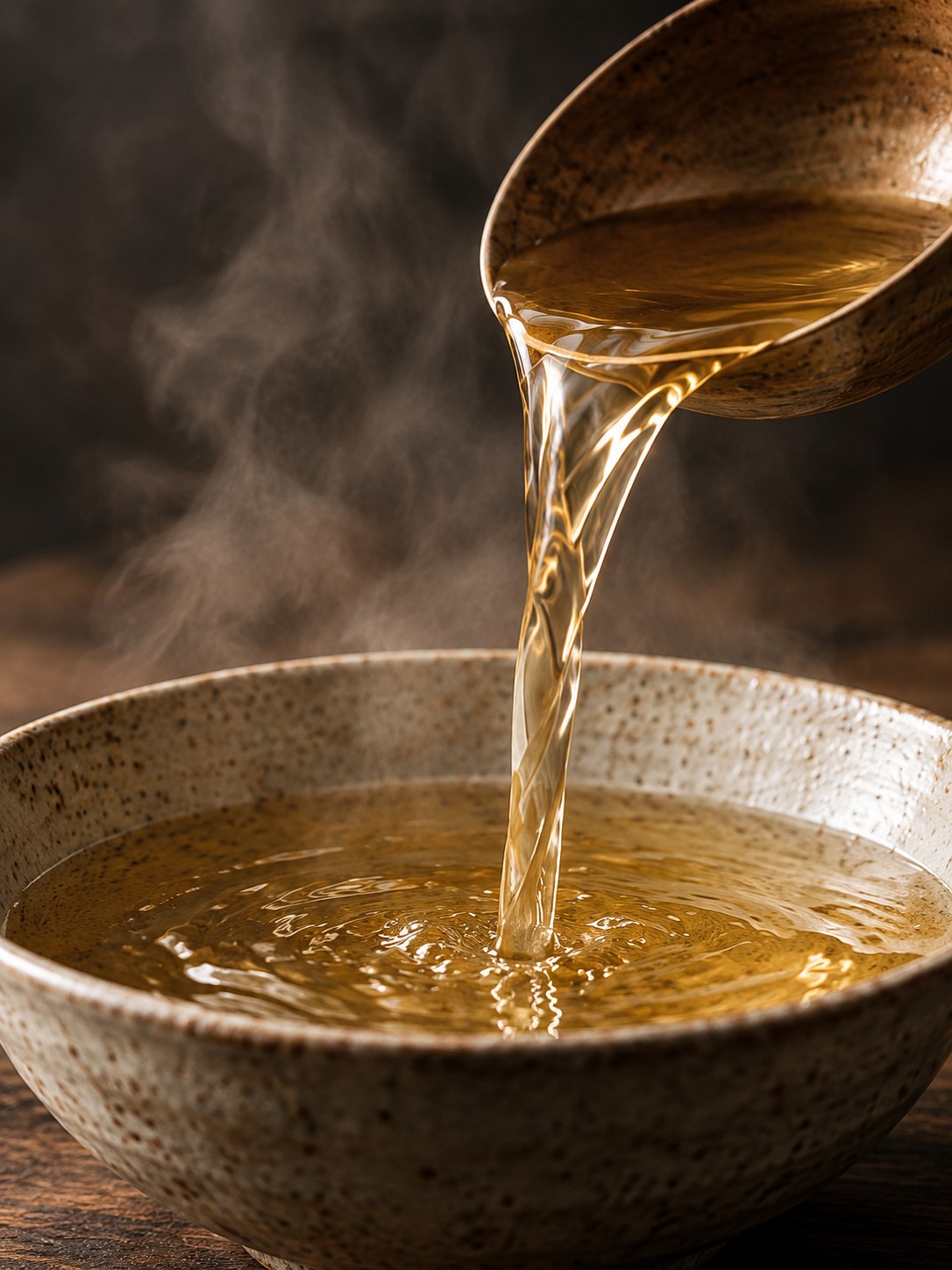
The multiplier is the total prepared volume divided by the concentrate volume. Check the product label and adjust to the recipe and its other seasonings.
MAGI DASHI contains salt. When replacing an unsalted stock, adjust the other seasonings too. Check ingredients and allergens for the specific product.
Our tempura sauce and curry use their own ratios. These are separate from the general broth guidelines above.
The role of traditional dashi
Traditional dashi draws flavor from kombu, bonito flakes and dried shiitake. Its aroma can take the lead, or its savory depth can connect the other ingredients in a dish.
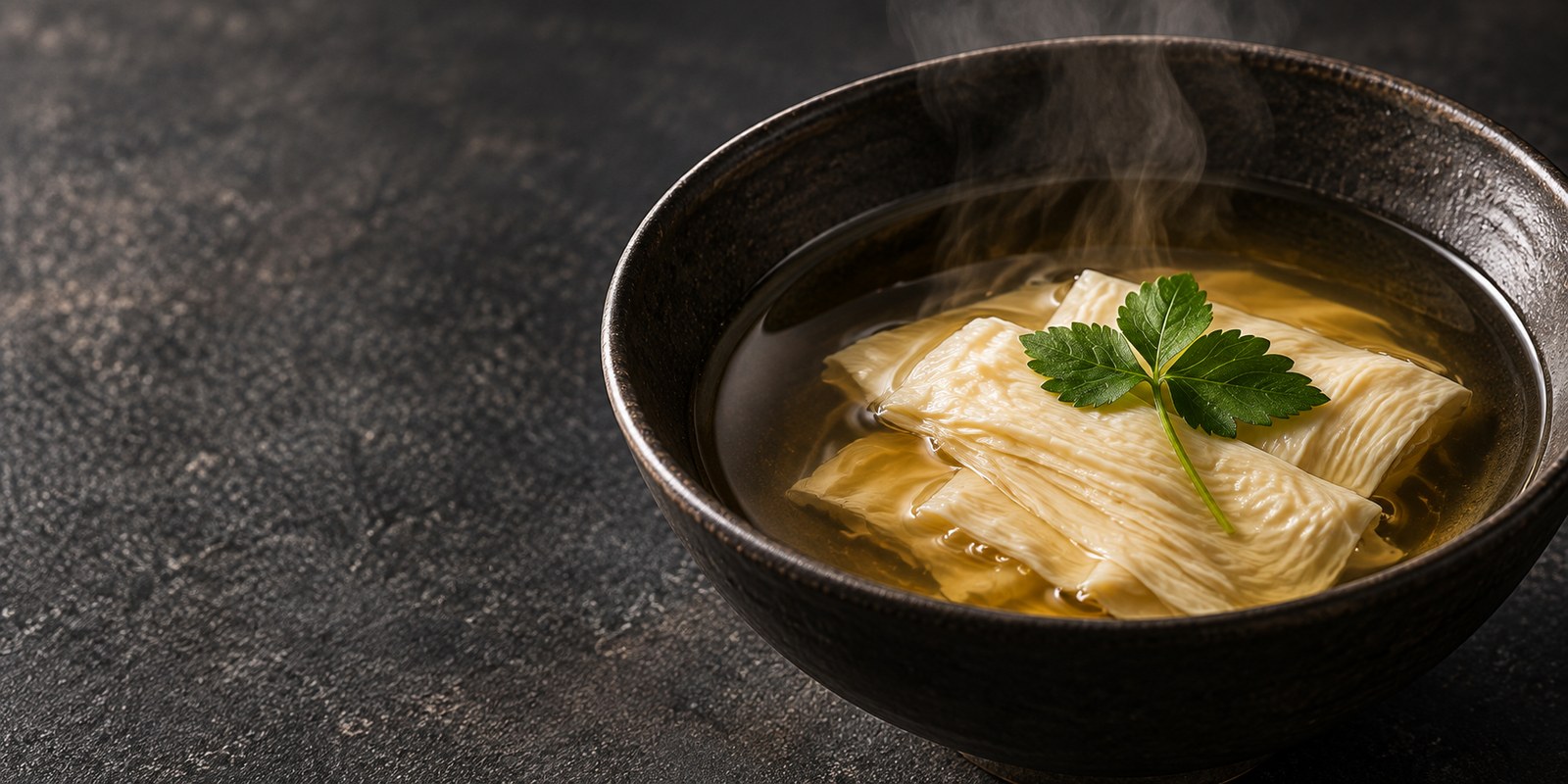
Ichiban dashi, the first extraction, is used in dishes such as clear soups.
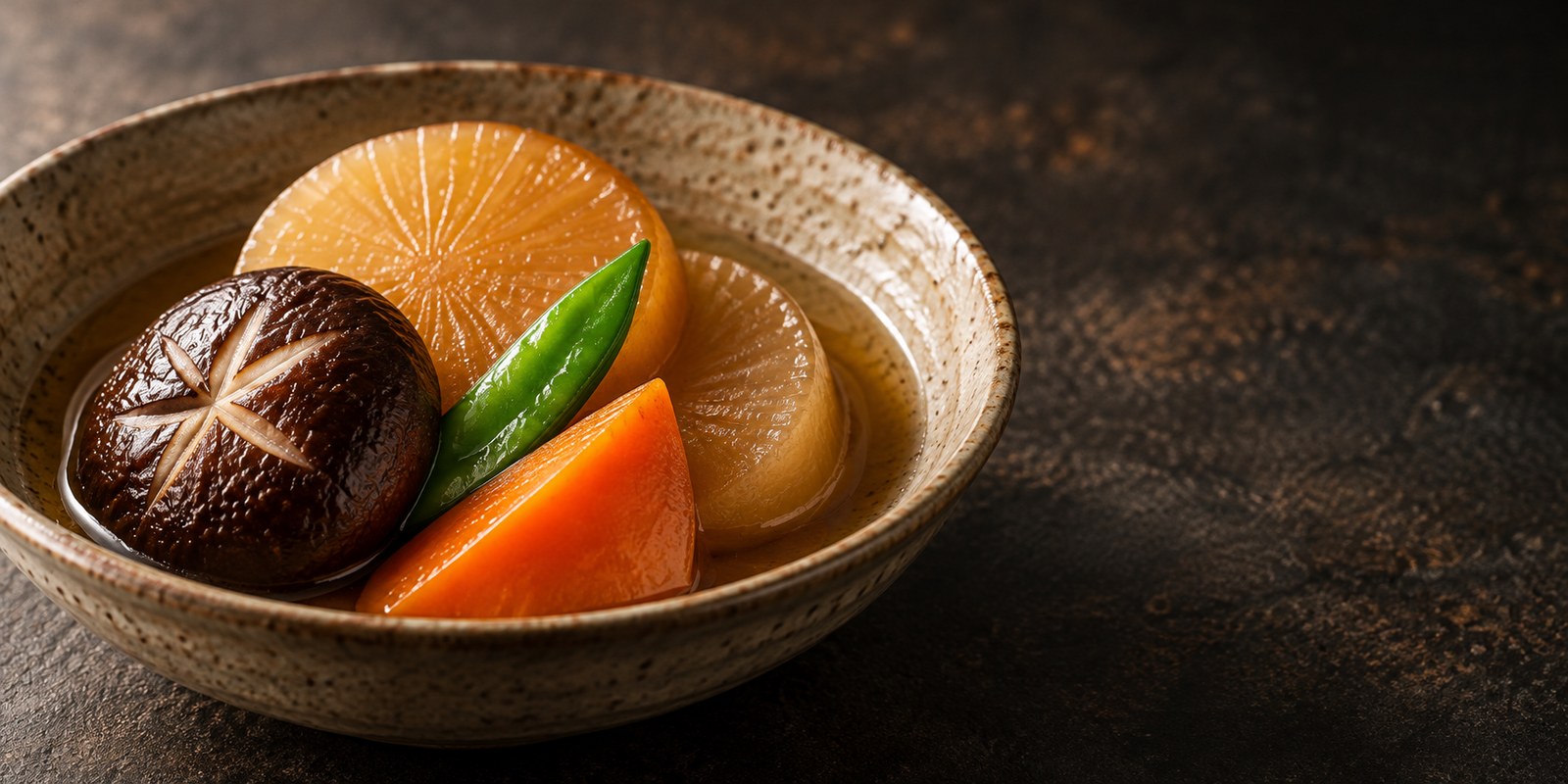
Niban dashi, a second extraction, is used in simmered dishes and miso soup.
MAGI DASHI is a plant-based concentrated liquid seasoning. Use the role of traditional dashi as a starting point, then adjust dilution and other seasonings for each dish.
Traditional dashi background: Umami Information Center
For a North American kitchen, begin with the actual local delivered price, usable yield and amount per serving. Include local labor costs to understand how a change of stock affects your kitchen.
Total prepared dashi
Example: 1 part concentrate + 9 parts waterDelivered cost ÷ prepared liters
Use your local delivered bottle cost, including applicable freight and import costs. In this KURO example, divide by 18 liters.
Cost per liter × liters per serving
Use the amount of prepared dashi in the dish. For food formulations, calculate from the actual concentrate added instead.
Dashi + ingredients + kitchen costs
Add other ingredients, labor at the local rate, utilities and waste. Compare equivalent recipes and portions.
The result depends on your recipe, purchase terms and workflow. Assess flavor, consistency and preparation steps alongside cost, using the same portion size and service conditions.
Discuss local pricing and a kitchen trialTwo starting points for chefs and food developers exploring dashi in North America and beyond.
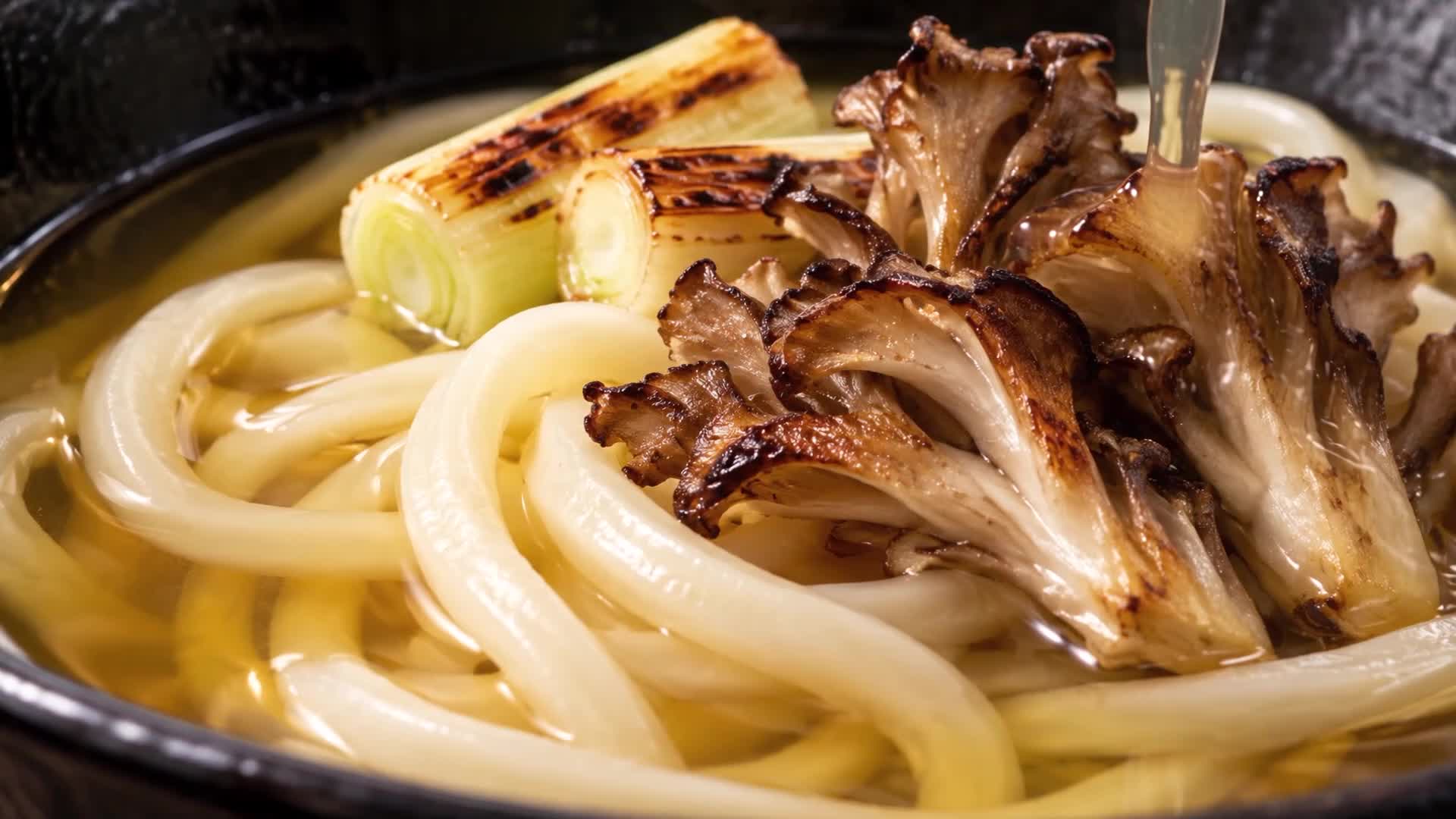
Noodle broth, clear soup and simmered dishes. Agree on a reference recipe, then test dilution and seasoning with local water, ingredients and service conditions.
Explore the udon application
Explore plant-based patties, soups, sauces and dressings. Trial different addition levels and evaluate flavor after cooking, rather than assuming one rate fits every formulation.
Explore the plant-based patty ideaAvailability, product specifications and requirements are reviewed for the destination and application. Please share your country, product and intended use when inquiring.